The work,
told properly.
A thumbnail shows what something looks like. A case study shows why it was made, who it was for and what it changed. Selected projects from the Netherlands, Italy and beyond, each told from the brief to the result.
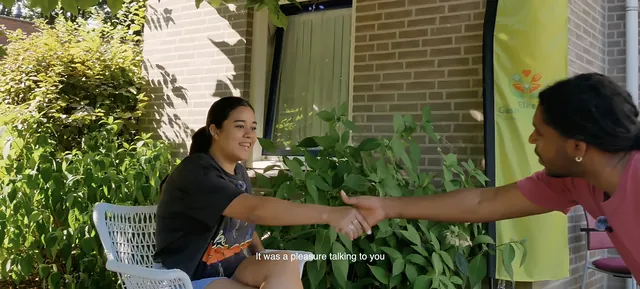 01 ESC Exchange — Rosmalen
 02 Elke Gastheerschap+
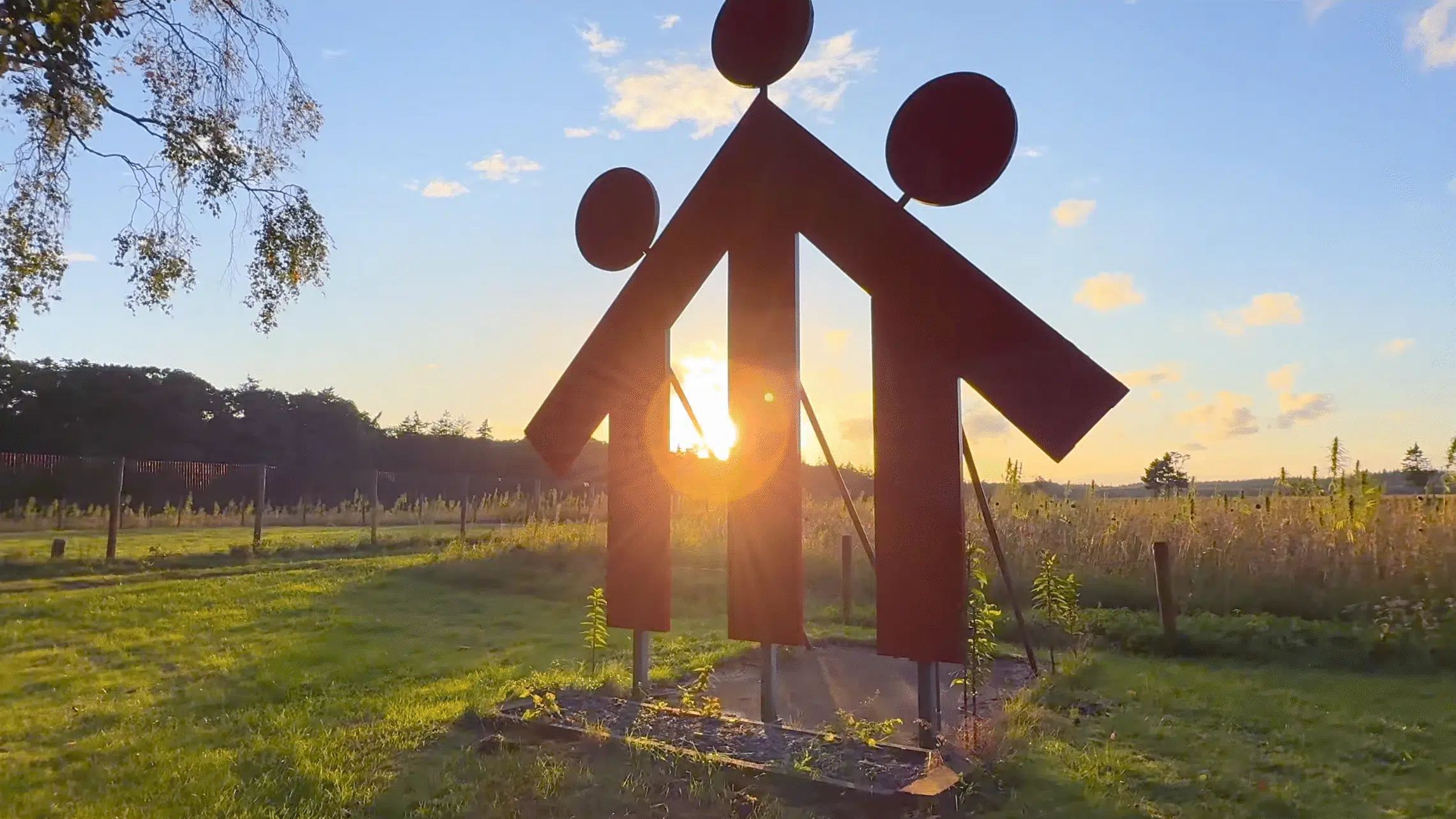 03 Don Bosco Centrum
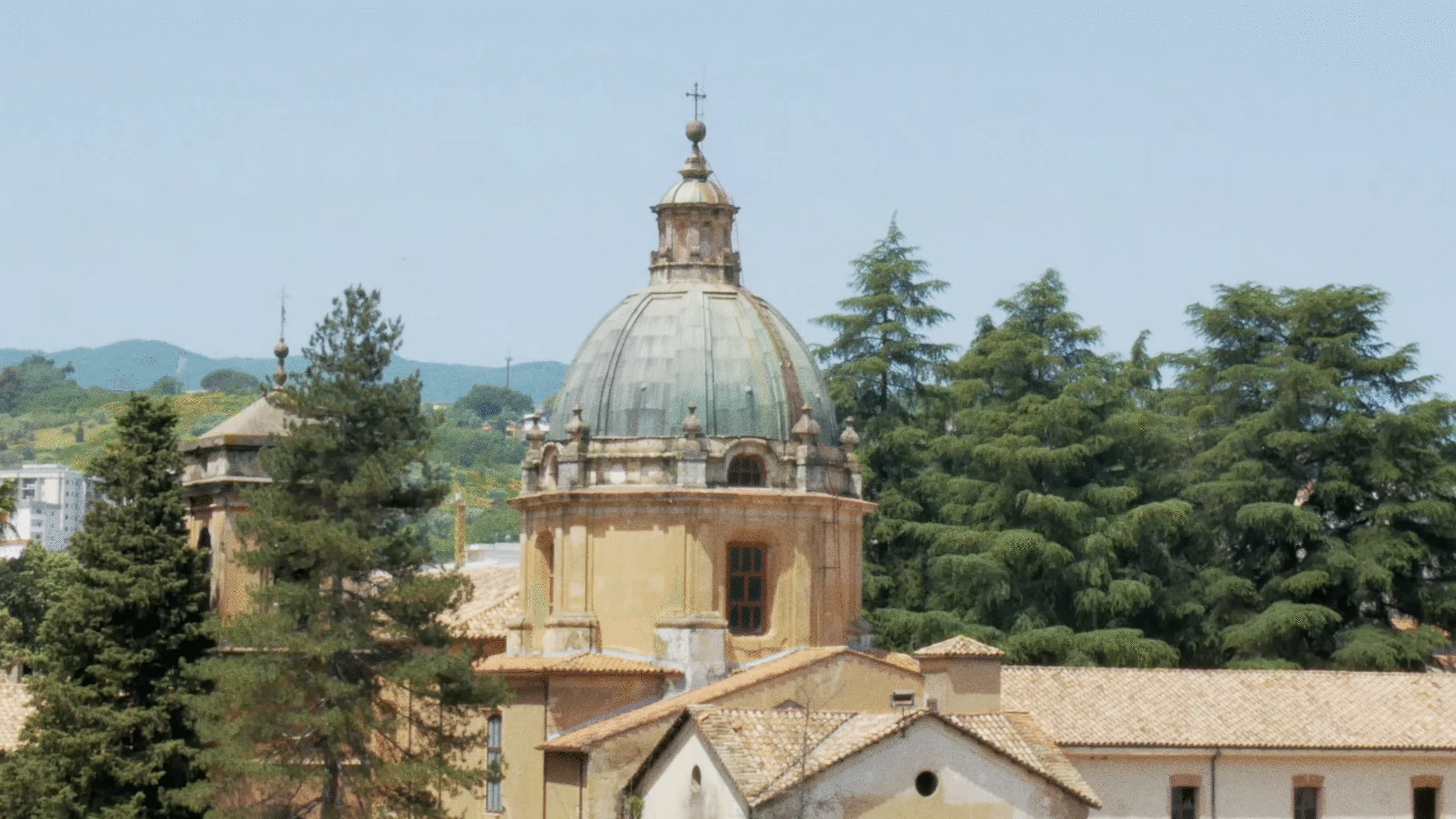 04 Camera di Commercio Cosenza
Three countries.
One exchange.
One documentary.
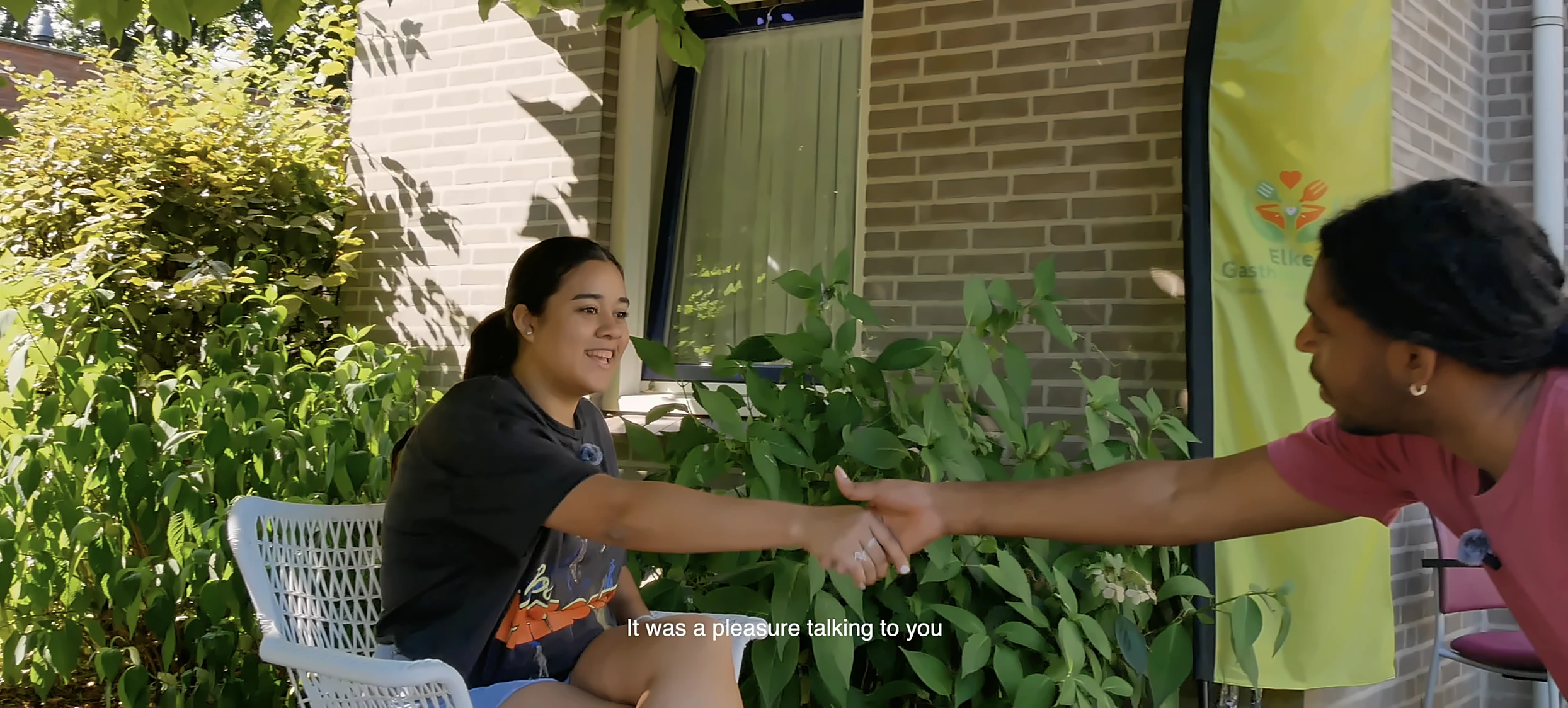 ▶ Documentary preview on Instagram
At a glance
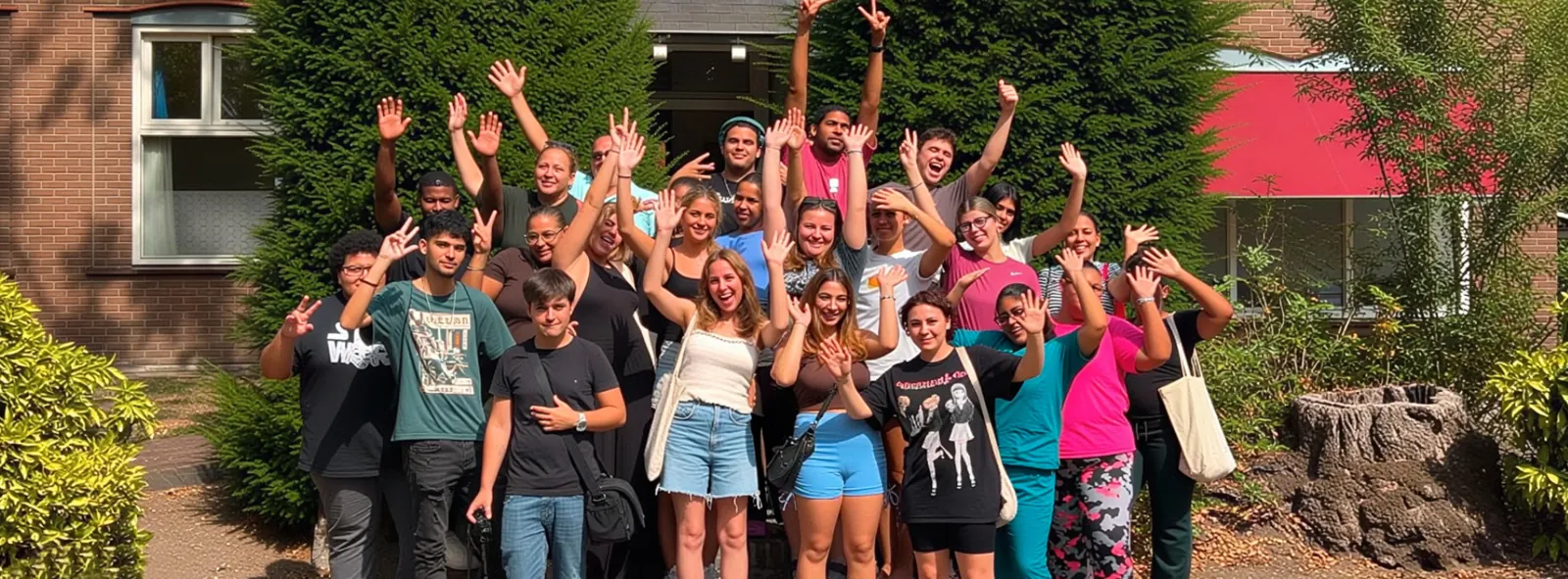
A European Solidarity Corps exchange, documented from the inside — by a team that started as volunteers before picking up a camera. Hosted in the Netherlands by Elke Gastheerschap+, the project brought together volunteers from three countries to work alongside the residents of Cello, a residential care facility in Rosmalen supporting hundreds of people with disabilities.
The programme
The European Solidarity Corps is an EU programme that gives young people aged 18–30 the right to an exchange placement across Europe and partner countries. Travel, accommodation and a living allowance are covered for the full placement — removing cost as a barrier for young people regardless of background.
The participants
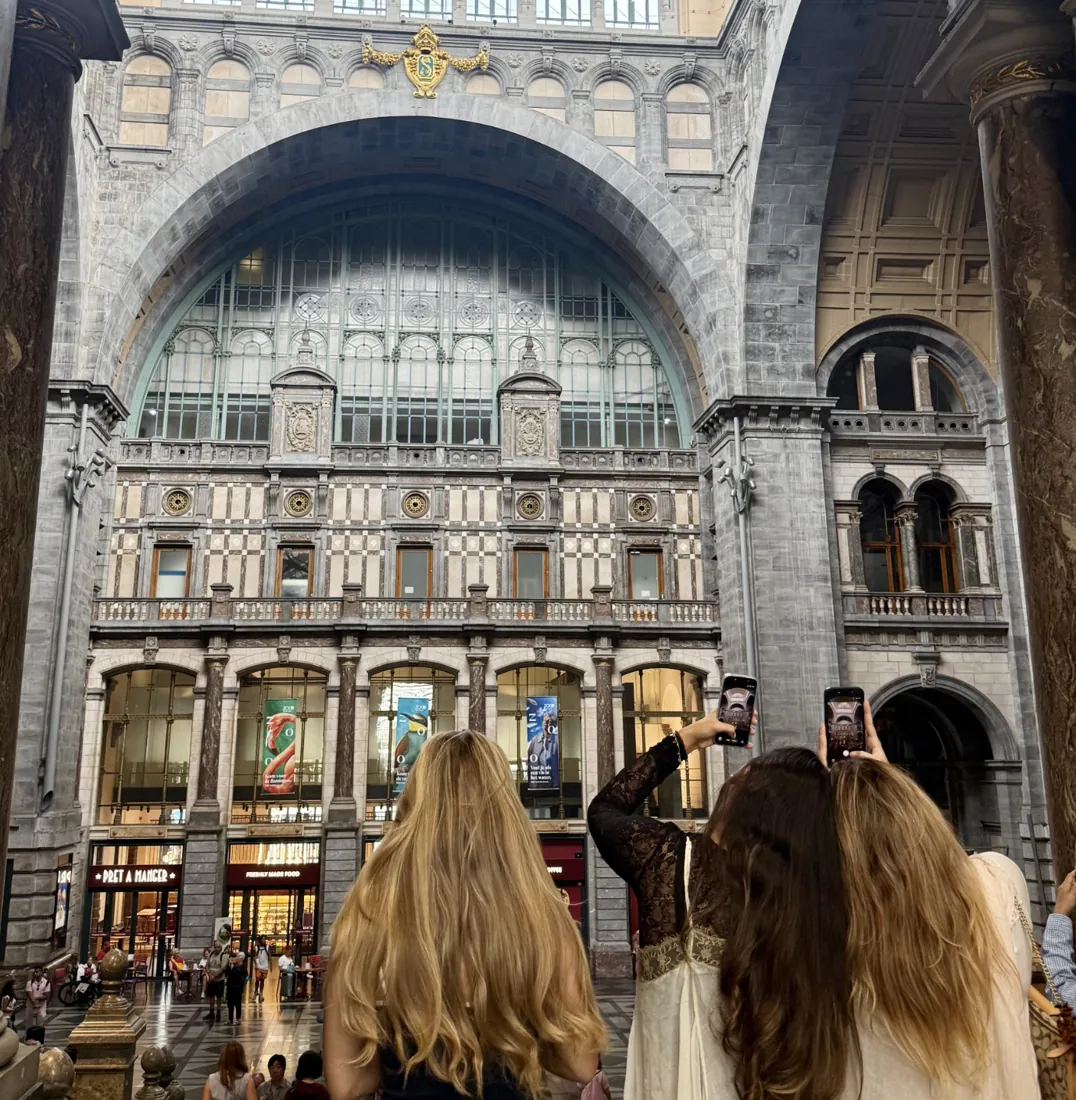
Volunteers came from Italy and North Macedonia through the standard ESC pathway. Alongside them, a group of students travelled with their teachers from Aruba — a Dutch Caribbean island roughly 8,000 km away — as part of a school-linked exchange. For some, it was their first international experience; for others, one more stop in a habit of travel their school already encouraged.
“There are things I did here that I never thought I'd be able to do — but in the end, I did them. I'll definitely carry what I'm learning here into my future. Everything I've learned, I'll keep with me, and use it to give a little extra help to others.”
Mary Louise — volunteer, interviewed in the documentary
The work
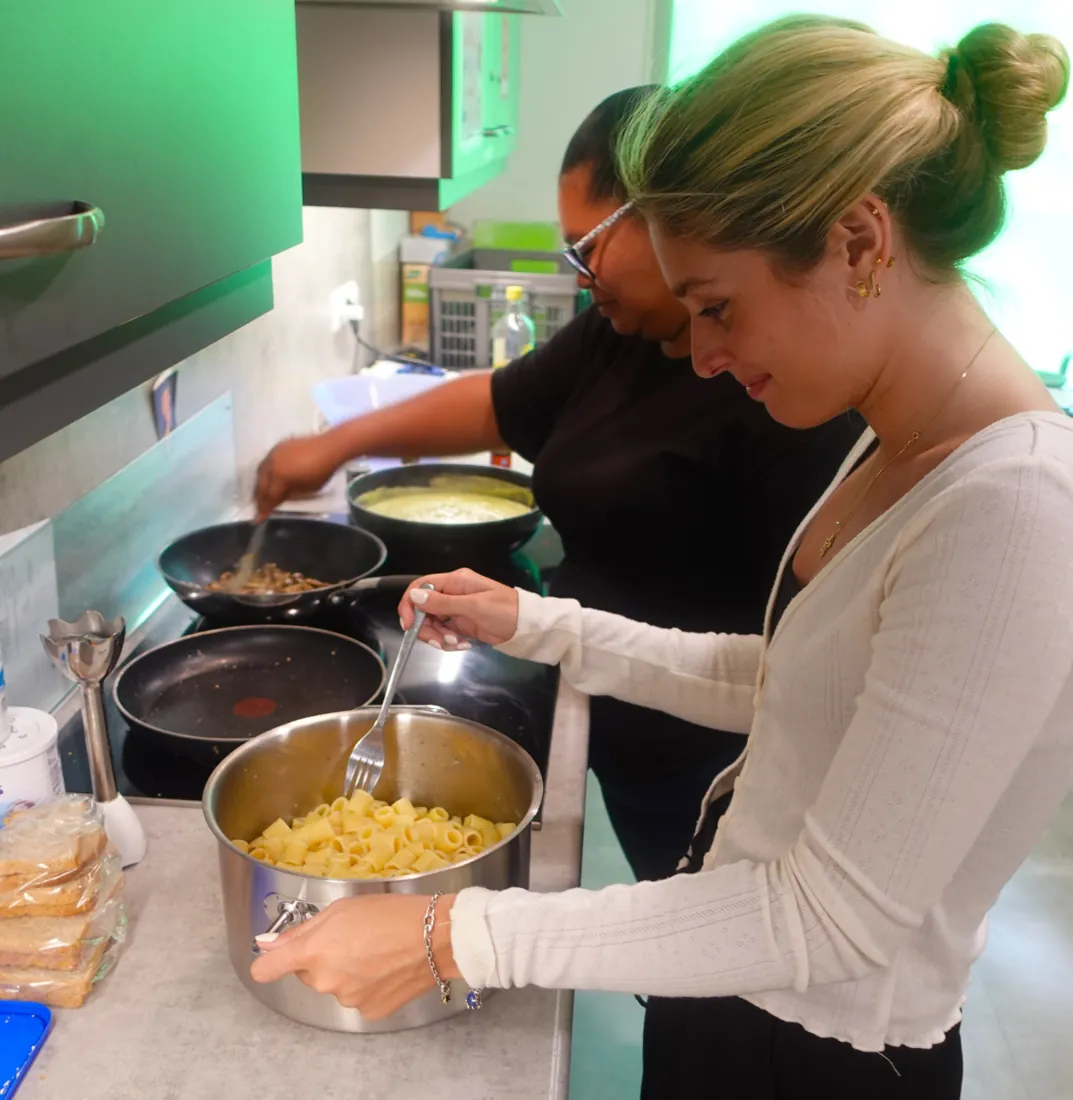
Each day combined practical hospitality work with direct, personal time alongside Cello's residents — not structured therapy, but genuine company.
- Shared meal preparation, cooked together in pairs each afternoon for that evening's dinner
- Group activities across Cello's facilities — from cooking apple mousse with residents who peeled the apples themselves, to guided sensory experiences
- Daily, direct contact between volunteers and residents — the core of the placement
The impact
For volunteers, a placement like this tends to stay with them long after the two weeks end — and for some it opens a door they hadn't considered: working in care, or even relocating to build a life around it. For Cello's staff the benefit was immediate: two weeks of extra hands freed time for deeper, more personal connection with residents.
“This is definitely a chance for us — the people who work here — to give our clients so much more. Having someone cook for all of us for two weeks, helping out in so many ways, gives us the time to do things we normally never get to do, to help and connect with our clients. It's good for everyone.”
Esmee — Cello staff, interviewed in the documentary
Our role
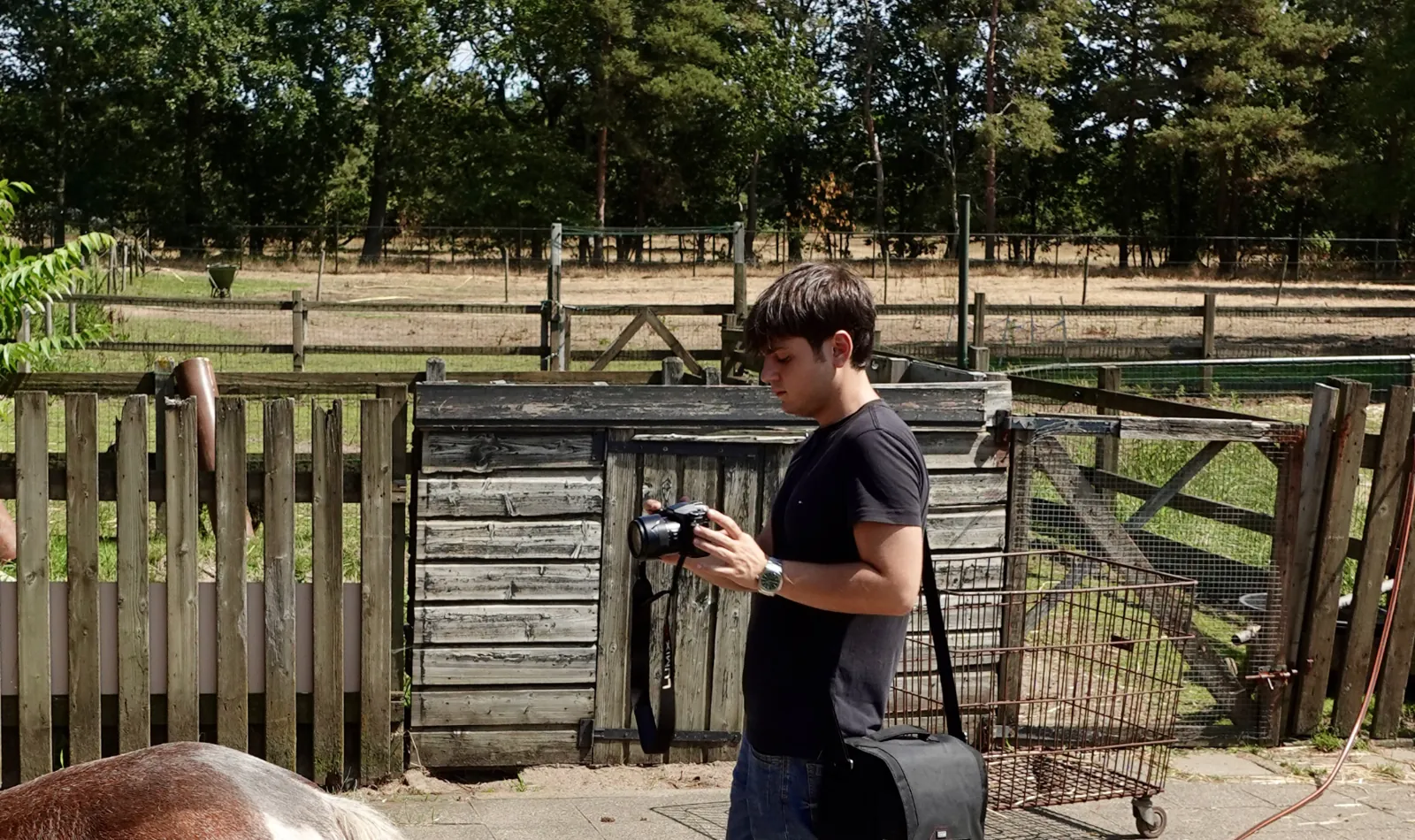
111 HOUSE joined the placement as a volunteer before picking up a camera — living the same schedule, meals and free weekends as everyone else. That order matters: the film was shaped by someone who had already earned a place in the room, not a crew parachuted in for a shoot.
- Full-length documentary covering the exchange, from arrival to departure
- Social content and photography for Elke Gastheerschap+'s own channels
- Creative direction across both the film and the photography
Elke Gastheerschap+
Presentation film
▶ Watch on Instagram
Context
Elke Gastheerschap+ is a Dutch association that began in catering and hospitality for facilities supporting people with disabilities. That work grew into a broader programme of volunteering, Erasmus+ and European Solidarity Corps exchanges, connecting young people from across Europe and beyond with hands-on placements in care settings.
Its projects currently run with care organisations across the Netherlands — Reinaerde in Woudenberg, with volunteers housed in Barneveld, and Cello in Rosmalen — and are open to young people aged 18–30, with travel, accommodation and living costs covered.
The brief
A short film to explain who the association is and what a placement actually looks like — made to reach young people on social media and invite them to apply.
The approach
Real volunteers, real places, no stock footage. The film shows the everyday of a placement so that a young person scrolling past can picture themselves in it — the first step towards the larger exchange we documented in August.
Don Bosco
Centrum Assel
▶ Watch on YouTube
Context
Don Bosco Centrum in Assel is a Salesian youth centre: a place built around young people, community and the everyday work of bringing them together. It needed a film that could present the centre to partners, families and future volunteers.
The approach
We treated it as a documentary, not an advert — letting the place and the people explain what the centre is, rather than a voiceover telling you what to think.
Camera di Commercio
di Cosenza
▶ Watch on YouTube
Context
The Chamber of Commerce of Cosenza, in Calabria, commissioned a documentary about the city itself — a portrait for an institution whose work is tied to the people, businesses and places that make a territory what it is.
The approach
A public institution usually gets a brochure on video. We aimed for the opposite: a city film with a point of view, made with the same craft we would bring to a brand film.
Your project
could be next.
Fixed-price packages, a small senior team, and a network that finds the right people for the brief.
Prefer to talk first? Book a 30-minute call ↗